Plant coverage
Assuming 80% of the surface can be used for planting, around 18,850 square meters will be covered by vegetation.
Cooling effect
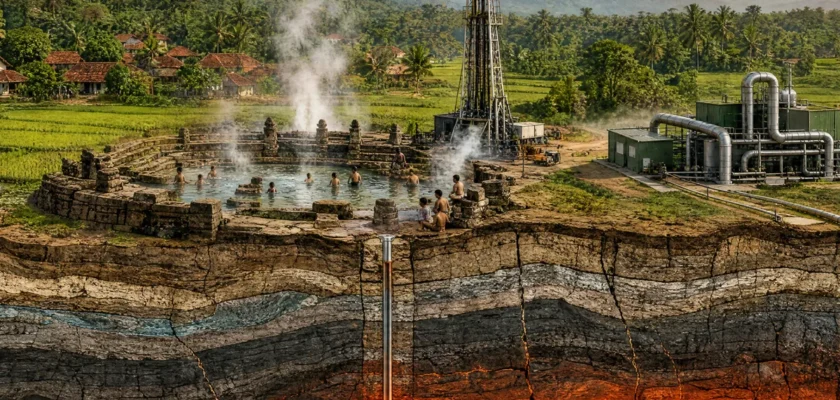
Vertical gardens can lower surrounding temperatures by up to 4°C.
Pilot phase
Cover 10% of the tower to test feasibility.
Infrastructure setup
Estimated at $2.5 million, this includes the installation of plant modules, irrigation systems, photovoltaic panels, and supporting structures.
Executive Summary
Project Overview
The Lotus Tower, a monumental structure in Colombo, Sri Lanka, stands as a symbol of architectural innovation. However, much of its vast concrete surface remains underutilized. This project proposes to repurpose the tower’s external structure into a vertical garden, drawing inspiration from Singapore’s Gardens by the Bay. By integrating plants, renewable energy systems, and interactive features like light shows, the Lotus Tower can become a beacon of sustainability, eco-tourism, and urban innovation, enhancing its aesthetic and functional value.
Vision and Objectives
- Vision: To transform the Lotus Tower into a global icon of green innovation that promotes environmental sustainability, urban biodiversity, and economic vitality.
- Objectives:
- Utilize the tower’s vertical surface for plant cultivation, integrating renewable energy technologies.
- Enhance air quality, reduce the urban heat island effect, and foster biodiversity in Colombo.
- Create an Instagram-worthy landmark that attracts eco-tourists and revitalizes Colombo’s urban and economic landscape.
Key Benefits
- Environmental Impact: Significant CO₂ absorption, oxygen production, and urban cooling effects.
- Economic Growth: Direct revenue from eco-tourism, events, and branding opportunities; indirect benefits from increased foot traffic, local spending, and social media exposure.
- Social and Psychological Benefits: Enhanced mental health, reduced stress, and a sense of community fostered by exposure to greenery and interactive public spaces.
- Global Recognition: Establishing Colombo as a leader in sustainable urban development, inspiring similar projects worldwide.
Introduction
Background of the Lotus Tower
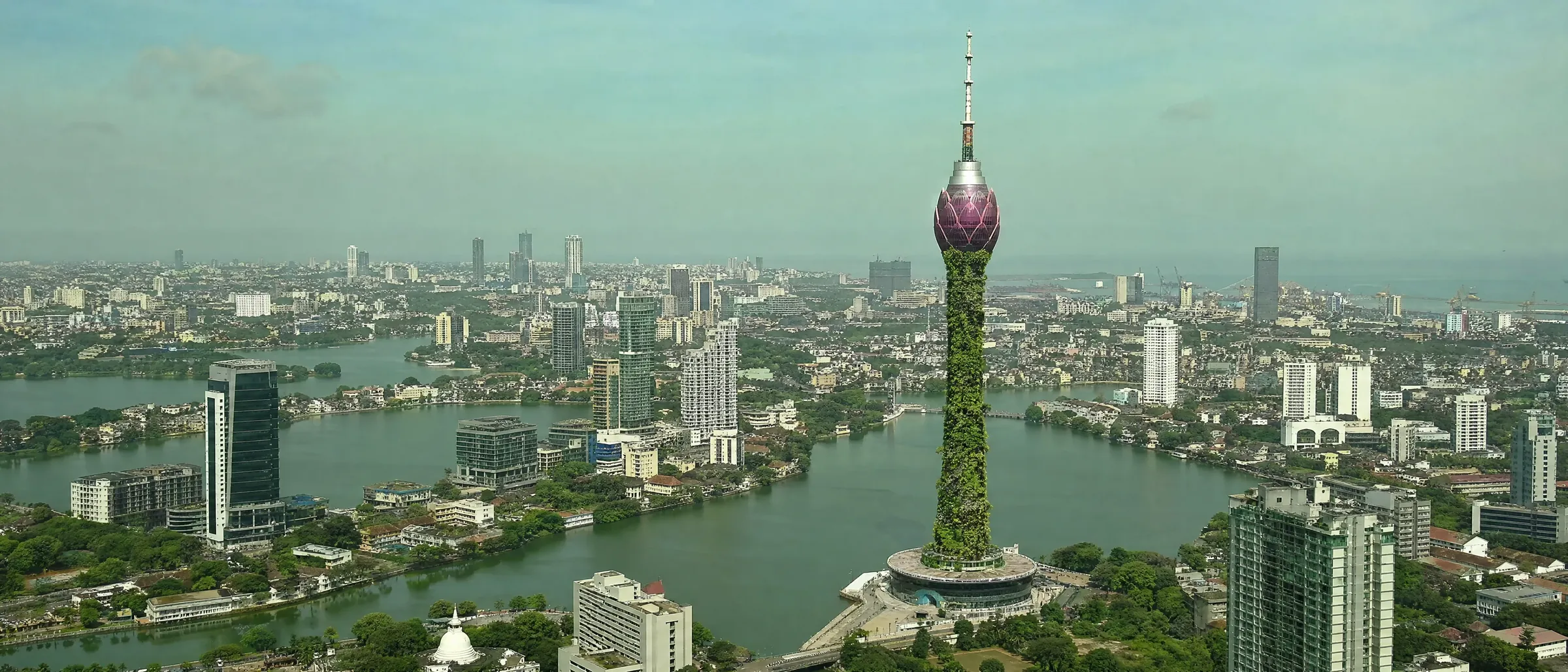
The Lotus Tower, one of the tallest structures in South Asia at 356 meters, is an iconic architectural marvel in Sri Lanka. However, much of its potential remains untapped, with its purpose currently limited to serving as a telecommunications hub and offering observation decks and event spaces. This project seeks to redefine its role by transforming its exterior into a vertical garden, integrating modern green technologies and sustainable innovations to maximize its cultural and environmental impact.
Current Challenges and Underutilization
Currently, the Lotus Tower lacks functional diversity, offering little to engage residents and tourists. Its vast, unused concrete surfaces present a stark contrast to Colombo’s need for more vibrant, green urban spaces. By transforming the tower, this project aims to:
- Address the underutilization of its structure.
- Introduce features that promote eco-tourism and community engagement.
- Create a compelling visual and cultural landmark.
Inspiration
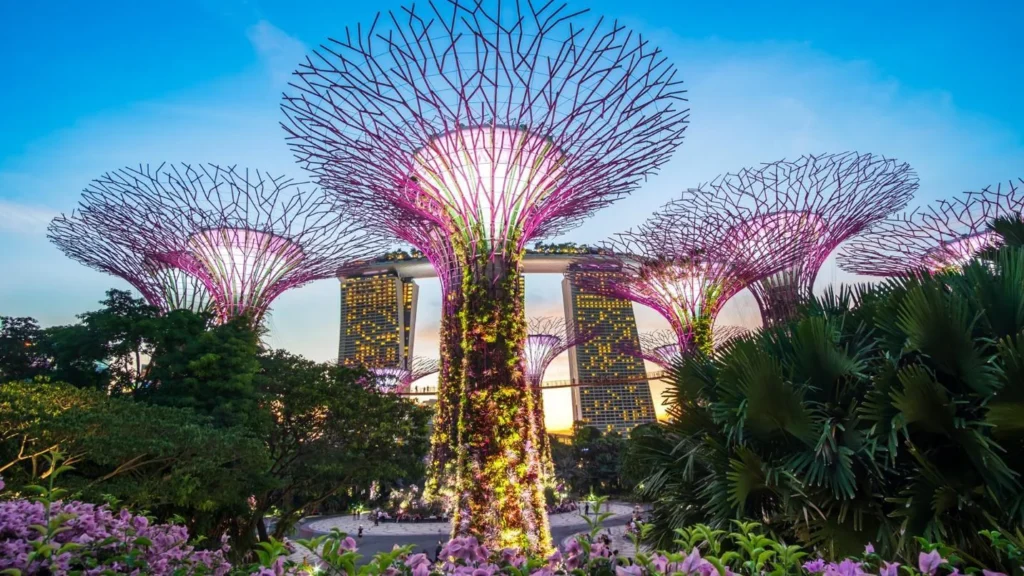
Globally successful urban innovations, such as Singapore’s Gardens by the Bay and Milan’s Bosco Verticale, demonstrate how architectural ingenuity can be harmonized with sustainability to:
- Enhance biodiversity and improve urban air quality.
- Attract significant tourism and stimulate local economies.
- Create globally recognized and celebrated landmarks.
Drawing from these examples, the Lotus Tower project aspires to position Colombo on the map as a forward-thinking and sustainable city, blending cutting-edge green technology with cultural pride.
Project Concept
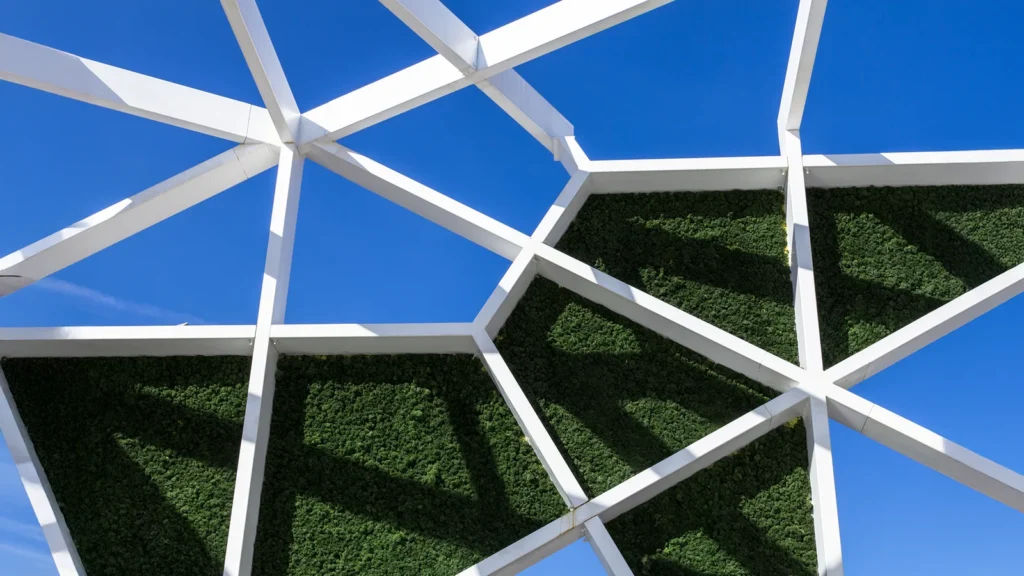
The Vision: Transforming Lotus Tower into a Green Icon
The project aims to convert the unused vertical concrete surfaces of the Lotus Tower into lush vertical gardens. This transformation will:
- Showcase Sri Lanka’s commitment to sustainability.
- Provide a unique habitat for native flora and fauna.
- Reinforce the tower’s status as a must-visit landmark.
Key Features
- Vertical Garden Modules: Install modular planting systems to cover the tower’s facade. Additionally, incorporate photovoltaic panels strategically within the garden modules to harness solar energy. This energy can be used to power the irrigation systems, lighting, and other sustainable features of the tower.
- Irrigation Systems: Use automated drip irrigation powered by rainwater harvesting and the photovoltaic panels integrated within the vertical garden modules. This approach ensures sustainable energy usage while maintaining efficient water distribution.
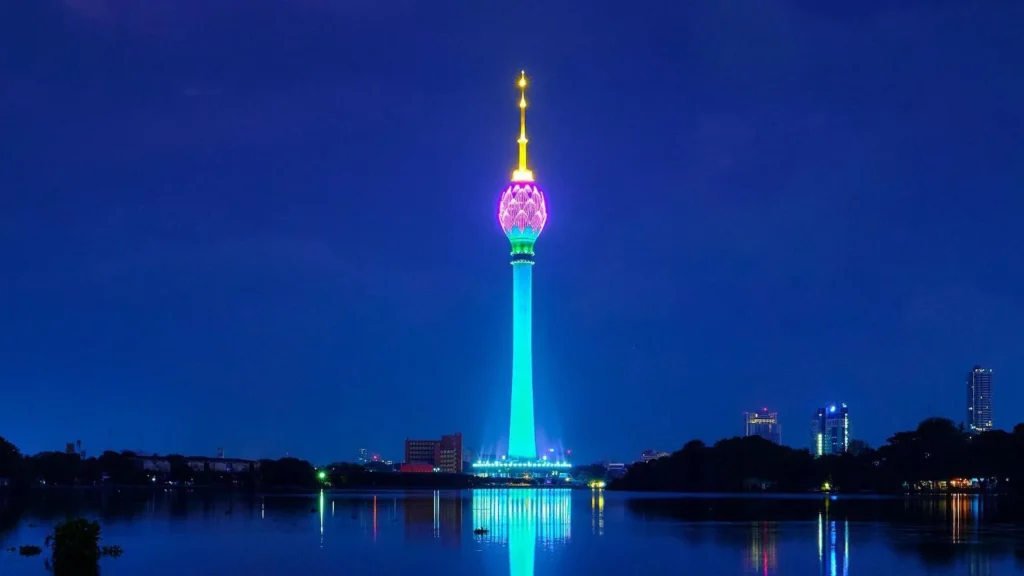
- Lighting: Integrate LED lighting to enhance the garden’s aesthetic appeal at night, and incorporate dynamic light shows to transform the tower into a vibrant night-time tourist attraction. These light shows can be synchronized with music, highlighting the unique features of the vertical garden and creating an unforgettable experience for visitors.
Eco-Friendly Practices
- Use drought-resistant plants such as succulents (e.g., agave, aloe vera), ornamental grasses, and hardy flowering plants like lantana and verbena to minimize water consumption.
- Incorporate renewable energy sources for maintenance systems.

| Benefit | Details |
|---|---|
| Oxygen Production | Approx. 18.85 tons annually (50 kg per day) generated from the vertical garden. |
| CO2 Absorption | Approx. 18,850 tons of CO₂ absorbed annually, enhancing air quality significantly. |
| Cooling Effect | Reduction in surrounding temperature by up to 4°C, mitigating the urban heat island effect. |
| Biodiversity Contribution | Provides habitat for pollinators such as birds, bees, and butterflies, fostering ecosystems. |
| Tourism Potential | Expected to attract thousands of visitors monthly, positioning Colombo as a global eco-tourism hub. |
| Global Recognition | Enhances Colombo’s visibility as a leader in sustainable urban innovation. |
| Economic Growth | Increased revenue from tourist footfall, eco-brand sponsorships, and nighttime attractions. |
| Community Well-being | Improves mental health and reduces stress through biophilic design and greenery exposure. |
| Educational Opportunities | Platform for workshops, tours, and sustainability awareness programs. |
Scientific and Environmental Benefits
Surface Area and Plant Coverage
- Total Surface Area: The stem portion of the Lotus Tower, with a height of approximately 250 meters and an average diameter of 30 meters, has a cylindrical surface area of approximately 23,562 square meters.
- Usable Plant Coverage: Assuming 80% of the surface can be used for planting, around 18,850 square meters will be covered by vegetation.
Impact on Air Quality
- CO₂ Absorption: Plants on this surface area can absorb approximately 18,850 tons of CO₂ annually (1 ton per square meter).
- O₂ Production: The same coverage can produce approximately 18,850 kilograms (18.85 tons) of oxygen annually, significantly improving air quality in Colombo.
Cooling Effect
- Vertical gardens can lower surrounding temperatures by up to 4°C. This would mitigate Colombo’s urban heat island effect, making the city more comfortable.
Contribution to Biodiversity
- Introduce native and pollinator-friendly plants to attract birds, bees, and butterflies, fostering a mini-ecosystem.
Design and Engineering Plan
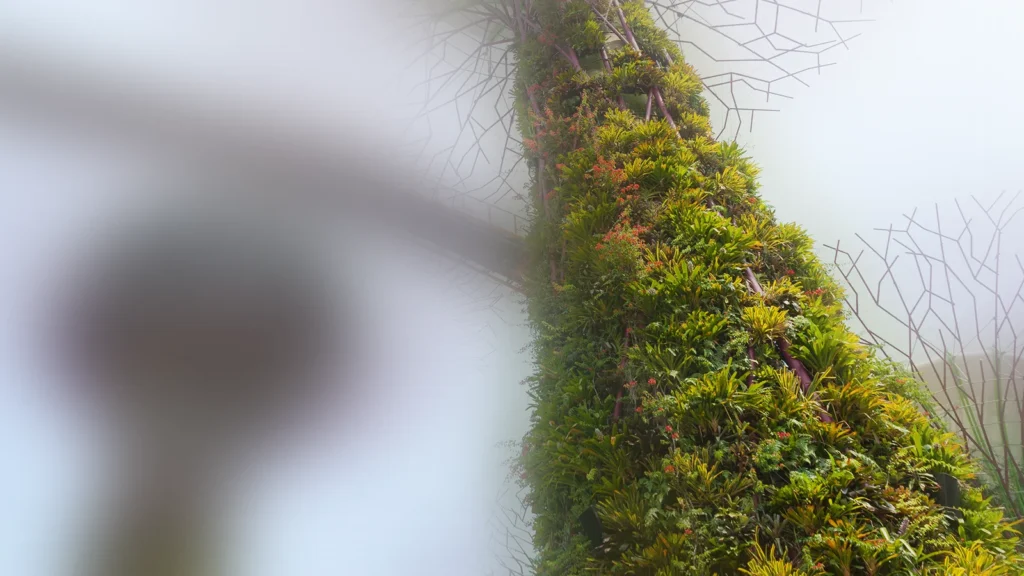
Structural Modifications
- Plant Support: Install lightweight, corrosion-resistant frames to hold plant modules.
- Wind Resistance: Use sturdy, aerodynamic designs to ensure plant stability against high-altitude winds.
Irrigation Systems
- Drip Irrigation: Advanced automated drip irrigation systems equipped with IoT sensors will ensure optimal water distribution across the vertical garden. These sensors will monitor soil moisture levels and adjust irrigation schedules accordingly, reducing water waste.
- Rainwater Harvesting: A rainwater harvesting system will collect water at the base of the tower and store it in reservoirs. The water will be filtered and pumped back up for irrigation purposes.
- Photovoltaic Integration: The photovoltaic panels integrated into the vertical garden modules will power the irrigation pumps, ensuring the entire system operates sustainably without reliance on external electricity sources.
- Misting Systems: To maintain humidity levels for epiphytes and other sensitive plants, a misting system will be installed, enhancing the microclimate around the tower and promoting plant growth.
Additional Enhancements
- Water Recycling: Greywater recycling systems can be introduced to further minimize water consumption by repurposing wastewater for irrigation.
- Nutrient Delivery: A fertigation system will combine irrigation with nutrient delivery, providing essential minerals to the plants directly through water.
Plant Selection
- Climbers: Bougainvillea, creeping fig (Ficus pumila).
- Succulents: Jade plant (Crassula ovata), agave.
- Epiphytes: Orchids, ferns.
- Flowering Plants: Native species like hibiscus and ixora.
Weather Adaptation
- Plants chosen for their ability to thrive in Colombo’s tropical climate and withstand strong winds.
Implementation Strategy
Phase-Wise Deployment
- Pilot Phase: Cover 10% of the tower to test feasibility.
- Expansion Phase: Scale up to 50% coverage based on pilot results.
- Full Deployment: Complete 100% coverage with additional features like lighting and biodiversity enhancements.
Partnerships
- Collaborate with horticulturists, engineers, and sustainability experts to ensure the success of the vertical garden.
- Partner with global organizations promoting green energy and sustainability, such as the United Nations Environment Programme (UNEP), the World Green Building Council, and the Global Green Growth Institute (GGGI).
- Seek financial and technical support from foreign governments with a strong focus on environmental sustainability, such as Norway, Germany, and Singapore.
- Engage with international NGOs and environmental organizations that fund and support innovative urban green projects.
- Explore partnerships with renewable energy companies for technology integration, such as photovoltaic panels and energy-efficient systems.
- Leverage public-private partnerships with eco-conscious corporations for funding, expertise, and brand collaboration.
Maintenance and Monitoring
- Establish regular maintenance contracts with specialized horticulture and landscaping firms to ensure the health and aesthetic quality of the vertical garden.
- Utilize IoT sensors for real-time monitoring of plant health, irrigation systems, and environmental conditions, ensuring timely interventions and adjustments.
- Incorporate renewable energy sources, like solar power, for operating monitoring equipment and irrigation systems.
- Create a dedicated maintenance fund sourced from partnerships, sponsorships, and government grants to ensure long-term sustainability.
- Engage local communities in monitoring and basic maintenance activities, fostering a sense of ownership and environmental stewardship.
Initial Cost and Benefits Estimate
Budget Breakdown
The cost estimates below are approximations based on global benchmarks for similar projects. Detailed cost analysis specific to Sri Lanka will be conducted during the feasibility phase to ensure accuracy:
- Infrastructure Setup: Estimated at $2.5 million, this includes the installation of plant modules, irrigation systems, photovoltaic panels, and supporting structures.
- Plant Modules and Irrigation: Approximately $1.5 million, covering plant selection, module fabrication, and advanced irrigation setups.
- Maintenance (Annual): $500,000 for horticultural services, monitoring systems, and operational staff.
Economic and Social Benefits
Implementing this project will not only enhance the functionality of the Lotus Tower but also provide significant economic and social benefits:
- Direct Revenue:
- Entry fees for tourists visiting the tower’s observation deck and gardens.
- Revenue from light shows and night-time events.
- Partnerships with eco-conscious brands for sponsorship and advertising opportunities.
- Indirect Revenue:
- Increased foot traffic to Colombo from international tourists, particularly from Europe, where eco-tourism is highly valued.
- Enhanced visibility of Colombo as a prime tourist destination, leading to increased spending in local hotels, restaurants, and businesses.
- Social media exposure: Transforming the Lotus Tower into an Instagram-worthy destination will attract younger travelers and influencers, amplifying its global appeal.
- Nightlife Development:
- Establish a vibrant nightlife district around the Lotus Tower, including nightclubs, restaurants, and entertainment venues, capitalizing on increased tourist activity.
- Boost Colombo’s economy through extended operating hours and additional revenue streams from surrounding businesses.
Potential Iconic Status
If successful, the Lotus Tower will serve as a symbol of innovation and sustainability for Colombo, akin to Gardens by the Bay in Singapore. By creating a landmark that blends technology, ecology, and aesthetics, this project will position Colombo as a forward-thinking urban hub. This transformation will:
- Attract millions of tourists annually, boosting the city’s economy.
- Encourage urban development and infrastructure improvements.
- Inspire similar eco-friendly projects throughout Sri Lanka and beyond.
Sustainability and Long-Term Impact
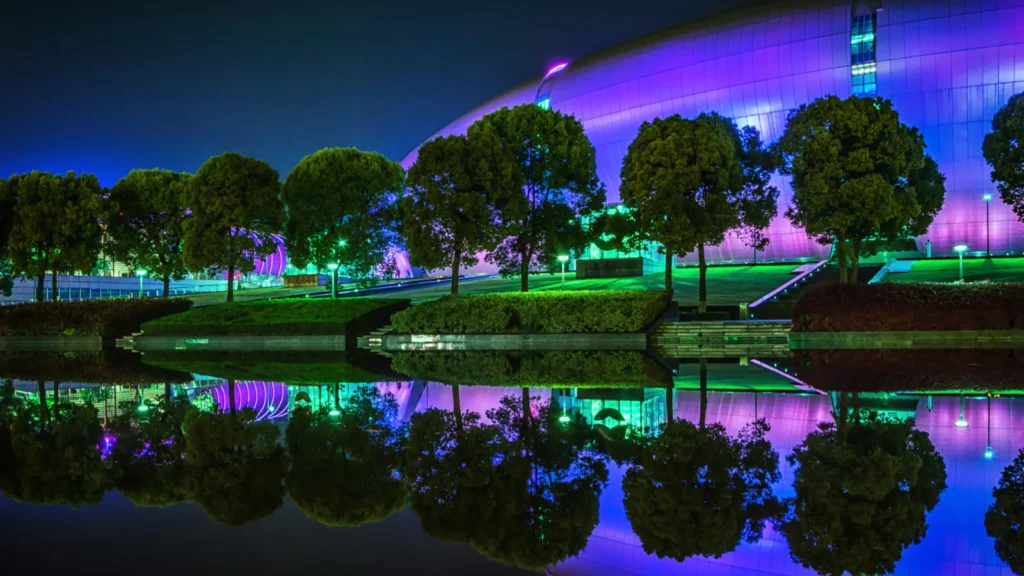
Contribution to Green Goals
- Aligns with Sri Lanka’s commitment to global climate agreements and urban sustainability.
- Enhances Colombo’s green infrastructure, setting an example for other cities.
- Promotes the principles of carbon neutrality, regenerative urban design, and biodiversity conservation, positioning Sri Lanka as a global leader in sustainable innovation.
Educational and Community Engagement
- Serves as a platform to educate the public on the importance of vertical gardens and urban biodiversity.
- Engages local schools, universities, and communities in sustainability efforts through interactive workshops, tours, and exhibitions.
- Creates opportunities for collaborative research on urban ecology, climate adaptation, and sustainable architecture.
Tourism and Economic Growth
- Reinforces the Lotus Tower as a global eco-tourism destination.
- Provides opportunities for branding, eco-friendly events, and collaborations with international environmental organizations.
- Positions the tower as a cultural hub, fostering arts and activities inspired by themes of nature and sustainability.
- Develops a vibrant nightlife and entertainment district around the tower, amplifying Colombo’s appeal as a dynamic urban center.
Psychological and Visual Impact
- Mental Health Benefits: Exposure to green spaces and biophilic design elements reduces stress, enhances mood, and promotes overall mental well-being. The tower’s lush greenery can serve as a sanctuary for urban residents and visitors alike.
- Cognitive Improvements: Access to greenery has been shown to improve attention, focus, and memory, creating a more restorative urban environment.
- Aesthetic Appeal: The vertical garden softens Colombo’s skyline, offering visual relief and elevating the city’s aesthetic profile. Its unique design can inspire cultural and artistic expressions, further enriching the community.
Long-Term Environmental Impact
- Reduces the urban heat island effect by providing natural cooling and insulation through extensive vegetation.
- Improves air quality by filtering pollutants and increasing oxygen levels, fostering a healthier urban ecosystem.
- Demonstrates scalable and replicable solutions for sustainable urban development, influencing similar initiatives in other cities.
Challenges and Risk Mitigation
While the project presents immense opportunities, it also necessitates careful research and planning. A detailed feasibility study and pilot testing will be required to address potential challenges. Areas of focus will include:
- Technical Challenges: Assessing the structural retrofitting needs of the tower and ensuring plant modules can withstand high-altitude weather conditions.
- Environmental and Climatic Risks: Evaluating plant survivability in Colombo’s tropical climate, including the impact of heavy rainfall and strong winds.
- Financial and Operational Risks: Identifying reliable funding sources and developing a sustainable operational model for long-term success.
Path Forward
- Engage with experts to conduct targeted studies.
- Leverage lessons learned from similar vertical garden projects globally.
- Develop iterative implementation strategies to mitigate risks effectively.
Conclusion and Call to Action
The transformation of the Lotus Tower into a vertical garden offers a unique opportunity to enhance Colombo’s urban landscape while addressing critical environmental challenges. By repurposing an underutilized structure into a beacon of sustainability, this project not only aligns with global green initiatives but also establishes Sri Lanka as a pioneer in eco-tourism and urban innovation.
Call to Action: This proposal represents the initial vision for an innovative and impactful project. We welcome contributions, ideas, and expertise from individuals, organizations, and institutions that share our commitment to sustainability. Both private and public sector partners are invited to collaborate in advancing this transformative initiative. Together, we can elevate the Lotus Tower into a global icon of sustainable development, fostering economic growth, ecological preservation, and community engagement.
Appendices
Important Notes
The appendices in this document are preliminary suggestions and are intended to serve as guidelines or starting points. They do not represent finalized plans or mandatory steps.
Detailed Plant Selection Guide
- List of plants with their environmental benefits and suitability.
Structural and Technical Diagrams
- Visual representation of proposed vertical garden systems.
References and Bibliography
- Cited studies, articles, and expert opinions on vertical gardening and sustainability.
Message from the Author
This proposal is an initial concept I envisioned. While I am not an architect or affiliated with the Sri Lankan government, I believe in the transformative potential of this idea. It is shared openly for anyone interested in further developing or implementing it. You are welcome to take this forward, refine it, and make it a reality without the need for attribution.
Arasaratnam Sasikumar
| Section | Details |
|---|---|
| Executive Summary | Project to repurpose Lotus Tower’s external structure into a vertical garden, promoting sustainability, eco-tourism, and urban innovation. |
| Vision | Transform Lotus Tower into a global icon of green innovation promoting environmental sustainability, urban biodiversity, and economic vitality. |
| Objectives | Utilize tower’s surface for plant cultivation, integrate renewable energy, enhance air quality, reduce heat island effect, attract eco-tourists. |
| Key Benefits | Environmental impact, economic growth, social and psychological benefits, global recognition. |
| Background | Lotus Tower is a 356-meter structure in Sri Lanka, currently underutilized, serving as a telecommunications hub. |
| Current Challenges | Lacks functional diversity, underutilized structure, need for vibrant green spaces in Colombo. |
| Inspiration | Singapore’s Gardens by the Bay, Milan’s Bosco Verticale. |
| Project Concept | Convert unused vertical surfaces into lush gardens, showcase sustainability, provide habitat for flora and fauna, reinforce landmark status. |
| Key Features | Vertical garden modules, irrigation systems, LED lighting, drought-resistant plants. |
| Scientific Benefits | Surface area: 23,562 sq.m, plant coverage: 18,850 sq.m, CO₂ absorption: 18,850 tons annually, O₂ production: 18.85 tons annually. |
| Cooling Effect | Lower surrounding temperatures by up to 4°C. |
| Biodiversity | Introduce native and pollinator-friendly plants to attract birds, bees, and butterflies. |
| Design Plan | Install lightweight frames, wind-resistant designs, advanced irrigation systems, rainwater harvesting, photovoltaic integration. |
| Implementation Strategy | Pilot phase: 10% coverage, Expansion: 50%, Full deployment: 100% with lighting and biodiversity enhancements. |
| Partnerships | Collaborate with horticulturists, engineers, sustainability experts, global organizations, renewable energy companies. |
| Maintenance | Regular contracts with horticulture firms, IoT sensors for real-time monitoring, renewable energy sources. |
| Budget | Infrastructure setup: $2.5M, Plant modules and irrigation: $1.5M, Annual maintenance: $500K. |
| Economic Benefits | Direct revenue from entry fees, light shows, sponsorships; indirect revenue from increased tourism, local spending. |
| Sustainability | Aligns with global climate agreements, enhances green infrastructure, promotes carbon neutrality, educational engagement. |
| Challenges | Technical, environmental, financial, and operational risks; detailed feasibility study required. |
| Call to Action | Invitation for contributions, ideas, and expertise from individuals, organizations, and institutions. |
| Author | Arasaratnam Sasikumar |