Modernizing the Bus Fleet
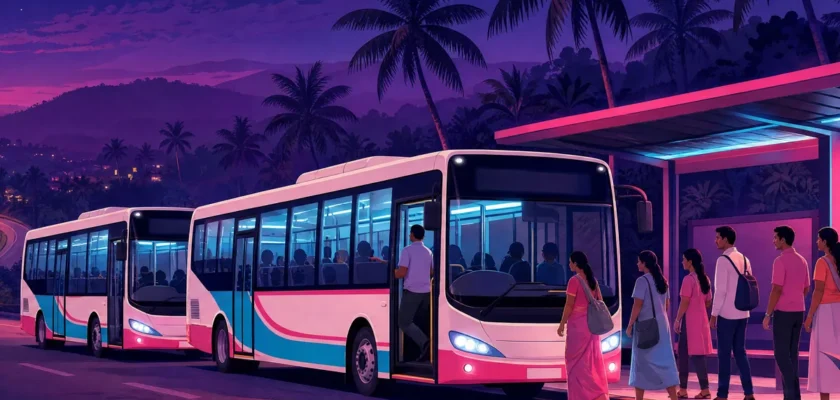
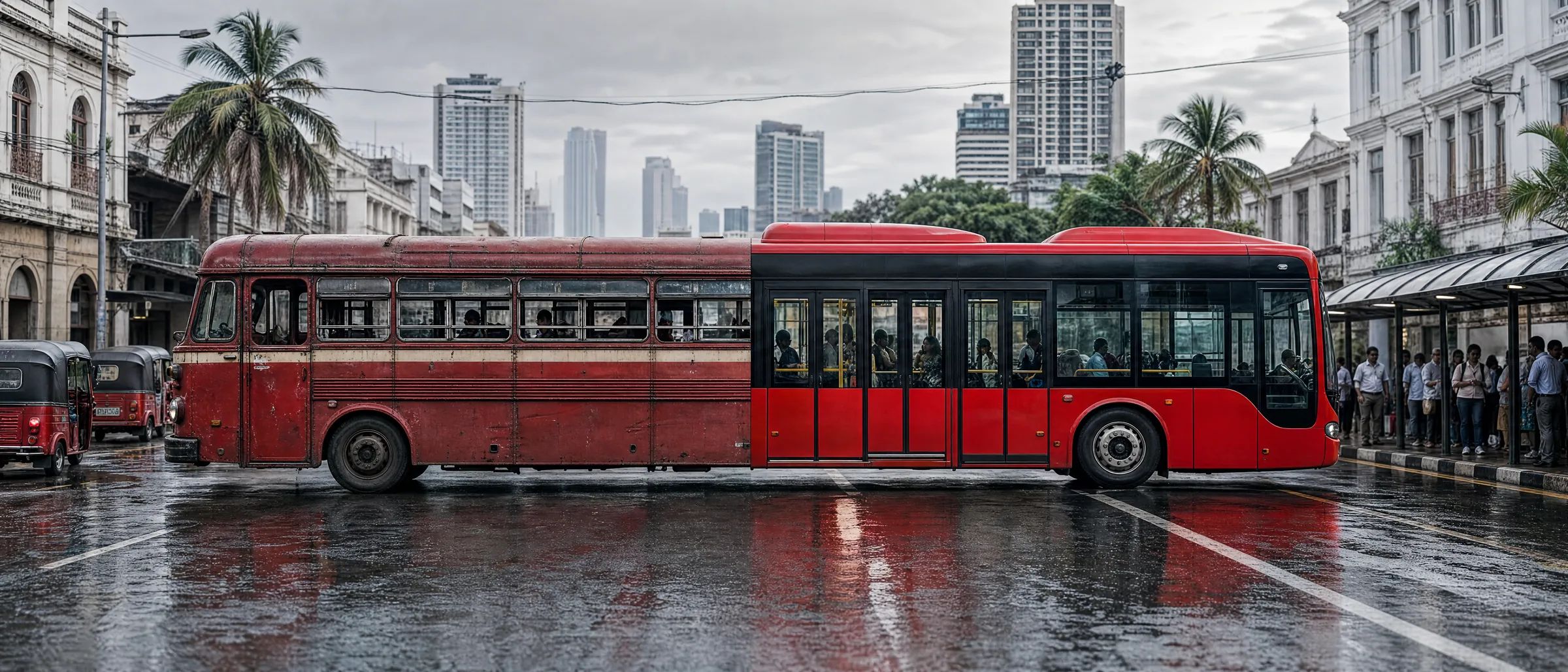
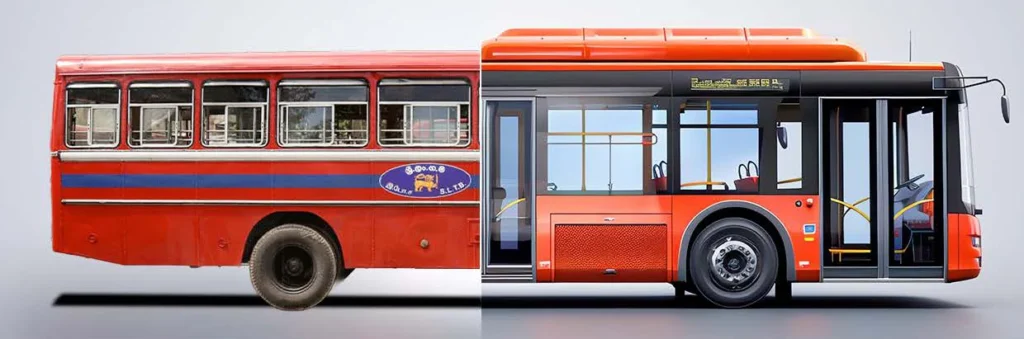
Replace outdated buses with modern, efficient vehicles, including electric options.
Reorganizing the Industry
Consolidate private operators into 5-7 regional companies; maintain CTB’s 40% market share.
Workforce Support
Implement buyback schemes and provide mandatory training for drivers and conductors.
Phased Implementation
Execute improvements over 10 years, including fleet expansion and electrification.
Objective
To provide a detailed, actionable plan to address the systemic issues in Sri Lanka’s bus transport industry, improve service quality, ensure safety and efficiency, and build a sustainable and inclusive public transport system for the future.
Summary of the Total Solution
- Modernizing the Bus Fleet: Replace outdated buses with modern, efficient vehicles, including electric options.
- Reorganizing the Industry: Consolidate private operators into 5-7 regional companies; maintain CTB’s 40% market share.
- Funding Mechanisms: Leverage public-private partnerships, tax incentives, and monetized transportation rights.
- Workforce Support: Implement buyback schemes and provide mandatory training for drivers and conductors.
- Cashless Payment System: Introduce a unified digital payment platform across all operators.
- Phased Implementation: Execute improvements over 10 years, including fleet expansion and electrification.
Current State of the Sri Lankan Bus Transport System
Service Quality Challenges
Condition of Buses
- Data: According to a 2023 report by the Sri Lanka Transport Board (CTB), 85% of the bus fleet consists of vehicles built on lorry chassis, posing significant safety and comfort concerns.
- Consequences: These vehicles often lack proper suspension, have cramped interiors, and poor ventilation, leading to discomfort and a negative passenger experience.
Passenger Complaints
- Dangerous Driving: Reckless driving, including speeding, overtaking, and sudden braking, is a major concern, contributing to a high rate of road accidents.
- Driver Behaviours: Rude behaviour from conductors, such as shouting at passengers, mishandling luggage, and refusing assistance, is widespread.
- Schedule Inconsistency: Frequent delays and unpredictable arrival times create uncertainty and inconvenience for passengers.
- Overcrowding: Severe overcrowding during peak hours is common, leading to discomfort and safety hazards.
- Lack of Amenities: Basic amenities like clean seating, adequate ventilation, and functioning passenger information systems are often lacking.
Private Ownership Fragmentation
Structure
- Dominance of Private Operators: Approximately 18,000 private buses operate in Sri Lanka, significantly outnumbering the 6,000 government buses operated by the CTB.
- Uneven Service Distribution: Private operators often prioritize profitable routes, resulting in inadequate service coverage in rural areas and underserved communities.
Operational Challenges
- Lack of Coordination: Poor coordination among private operators leads to inefficient route planning, overlapping services, and gaps in coverage.
- Resistance to Regulation: Strong union influence often hinders efforts to implement regulations and improve service quality.
Financial Constraints on CTB
Budgetary Issues
- Limited Government Funding: Insufficient government funding restricts the CTB’s ability to invest in fleet modernization, infrastructure development, and service expansion.
- Rising Operational Costs: The aging bus fleet requires significant maintenance, increasing operational costs and straining the CTB’s finances.
Revenue Constraints
- Regulated Fares: Government-regulated fares limit the CTB’s ability to generate sufficient revenue to cover operational expenses and invest in improvements.
Societal Impact
Accessibility
- Limited bus connectivity in rural areas hinders economic growth and social development, restricting access to education, healthcare, and employment opportunities.
Public Safety
- High Accident Rates: The high accident rate involving buses poses a significant threat to public safety and results in substantial economic losses.
- Road Congestion: The dominance of private buses and the inefficient operation of the system contribute to severe traffic congestion in urban areas.
Detailed Solutions and Strategies
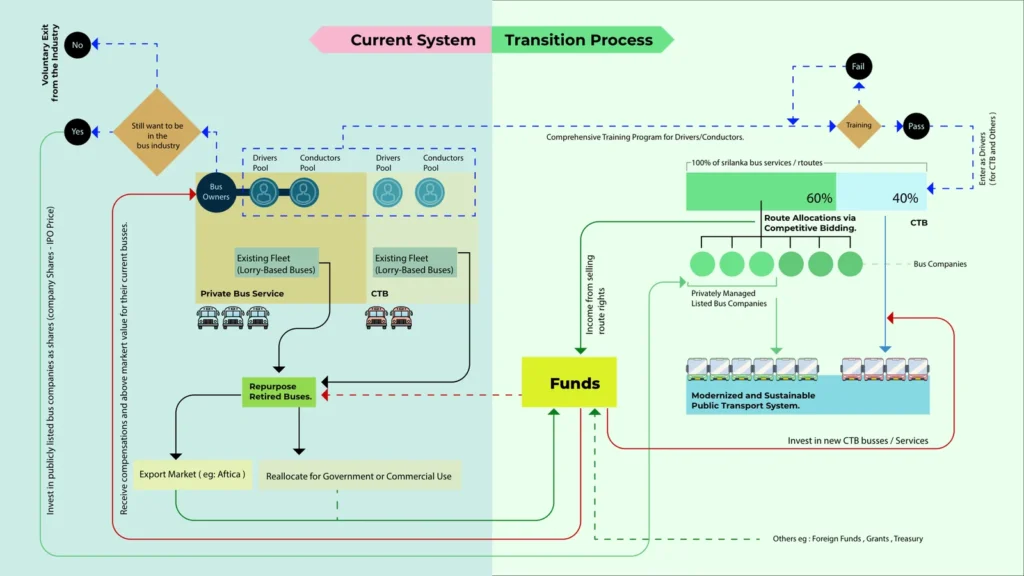
Fleet Modernization
Immediate Actions
Phased Ban on Lorry Chassis Buses:
- Timeline: Implement a phased ban over 18 months.
- Action Plan:
- Immediate Ban on New Registrations: Prohibit the registration of new buses built on lorry chassis.
- Phased Retirement: Allow existing lorry chassis buses to operate for a limited period, with a strict timeline for their retirement.
Buyback Scheme:
- Duration: Implement a 12-month government buyback scheme for lorry chassis buses.
- Options:
- Operators can sell their buses at above-market value and reinvest in shares of newly formed bus companies.
- Operators can receive the full buyback amount and exit the industry.
Procurement of Modern Buses:
- Target Numbers:
- Short-Term (3 Years): 7,500 buses.
- Long-Term (10 Years): 20,000 buses.
- Types of Buses:
- Urban Routes: Low-floor single-deck and double-deck buses with accessibility features for people with disabilities.
- Intercity Routes: Comfortable, air-conditioned buses with amenities like Wi-Fi and onboard entertainment.
- Estimated Costs:
- Cost per Bus:
Low-Floor Bus: $50,000 – $120,000 (depending on features and technology).
Intercity Bus: $100,000 – $250,000. - Total Cost: $2.5 billion over 10 years (~$250 million per year or ~93.75 billion LKR).
- This constitutes approximately 29% of the transport sector budget for 2024 (322 billion LKR).
- Cost per Bus:
Utilization of Retired Buses
- Government Projects: Convert retired lorry chassis buses into lorries for use in government projects, such as transporting materials for infrastructure development.
- Export Opportunities: Clean, refurbish, and export functional retired buses to countries with demand for affordable transport solutions.
- Economic Utilization: Partner with private sector companies to repurpose buses for other commercial uses, ensuring sustainability and value generation.
Incentives for Private Operators
- Tax Reductions: Remove import duties on all buses that meet the government’s checklist of safety and quality standards, including environmentally friendly options such as electric buses. This tax reduction or exemption can be applied for the first 5 to 10 years to encourage modernization and compliance.
- Subsidized Loans: Partner with development banks to offer low-interest loans for bus procurement and modernization.
Reorganization of Private Operators
Consolidation
- Reduce the number of operators to 5-7 regional companies. Individual bus owners can purchase shares in these companies using the compensation received from their old buses, ensuring they remain stakeholders in the new system.
- Strengthen CTB’s Role: Ensure CTB maintains a significant market share (at least 40%) to ensure public service obligations are met.
Operational Reforms
- Route Rationalization: Conduct a comprehensive route analysis to optimize service coverage and minimize duplication.
- Service Standards:
- Mandate adherence to strict service standards, including on-time performance, passenger information systems, and driver training.
- Implement a robust system for monitoring and enforcing service standards.
- Penalties for Non-Compliance: Impose heavy fines for violations of regulations, such as route skipping, over speeding, and rude driver behaviours.
Government Support
- Provide technical assistance and training to support the consolidation process.
- Establish a dedicated regulatory body to oversee the operations of private operators.
Funding Mechanisms
Public-Private Partnerships (PPPs)
- Invite reputable private sector companies to partner with the government in establishing and operating bus companies.
- Innovative Revenue Models: Explore models such as revenue-sharing agreements, performance-based contracts, and long-term concessions.
Monetizing Transportation Rights
- Auction or lease transportation rights on specific routes to private operators.
- Utilize these funds to invest in infrastructure development, fleet modernization, and service improvement.
Public Listing and Investments
- Encourage private bus companies to go public on the stock exchange to raise capital.
- Allow foreign investment in the bus transport sector through joint ventures with local companies.
- Explore opportunities for public-private investment funds to support the modernization and expansion of the bus transport system.
Revenue Projections
- Monetizing transportation rights could generate significant upfront revenue, reducing the government’s initial investment burden.
- Projections: The sale of transportation rights could potentially generate over 250 billion LKR, providing substantial funding for fleet modernization and infrastructure upgrades.
Workforce Transition and Training
Driver and Conductor Training
- Mandate comprehensive training programs for all drivers and conductors.
- Focus on safe driving practices, customer service skills, and emergency response procedures.
- Implement a system of continuous professional development to enhance driver skills and knowledge.
Support for Bus Owners
- Implement a well-defined buyback scheme with attractive compensation packages.
- Provide counselling and support services to assist bus owners in transitioning to new business ventures or exploring alternative employment opportunities.
- Facilitate access to retraining programs and financial assistance.
Reintegration Options
- Offer employment opportunities within the CTB or the newly consolidated regional companies, ensuring no skilled personnel are left unemployed due to the transition.
Upskilling Programs
- Collaborate with technical and vocational training institutes to provide specialized programs tailored to the needs of the bus transport industry.
Career Support
- Establish dedicated career support centres to guide bus owners, drivers, and conductors in exploring alternative roles or business ventures.
Cashless Payment and Ticketing System
Unified Payment System
- Implementation Plan:
- Develop a centralized digital platform to manage transactions across all operators.
- Integrate the system with existing mobile wallets, bank cards, and transit-specific cards.
- Ensure real-time transaction updates and secure payment processing.
Benefits
- Improved transparency and accountability in fare collection.
- Reduced cash handling, minimizing the risk of theft and fraud.
- Enhanced passenger convenience and operational efficiency.
Infrastructure Requirements
- Install payment terminals in all buses and at key bus terminals.
- Train operators and conductors on the usage and troubleshooting of the payment system.
Implementation Roadmap
Phase 1: Immediate (0-6 Months)
- Issue regulations to ban the registration of new lorry chassis buses.
- Launch an awareness campaign highlighting the benefits of the proposed reforms.
- Begin consultations with stakeholders, including unions, private operators, and civil society organizations.
Phase 2: Short-Term (6-24 Months)
- Roll out the first batch of 3,000 modern buses across priority routes.
- Establish a regulatory body to oversee operations and enforce compliance.
- Pilot the cashless payment system in urban areas with high ridership.
Phase 3: Medium-Term (2-5 Years)
- Complete the consolidation of private operators into regional companies.
- Expand the fleet to cover underserved areas and intercity routes.
- Fully implement the unified payment system nationwide.
- Introduce hybrid and electric buses on key routes to promote sustainability.
Phase 4: Long-Term (5-10 Years)
- Achieve full electrification of the bus fleet, meeting global environmental standards.
- Integrate bus services with other modes of public transport, such as rail and metro.
- Continuously evaluate and optimize operations based on passenger feedback and performance metrics.
Benefits and Impact
Improved Service Quality
- Enhanced safety, comfort, and reliability for passengers.
- Better connectivity to rural and underserved regions.
Economic Growth
- Job creation in bus manufacturing, maintenance, and operations.
- Reduced traffic congestion, boosting productivity and economic efficiency.
Environmental Sustainability
- Lower carbon emissions and noise pollution with electric and hybrid buses.
- Promotion of public transport as a greener alternative to private vehicles.
Social Benefits
- Improved accessibility for people with disabilities and residents of remote areas.
- Increased social equity through affordable and reliable public transport.
Conclusion
This strategic plan offers a transformative approach to modernizing Sri Lanka’s bus transport system. By addressing existing challenges with innovative solutions, robust funding mechanisms, and strong stakeholder collaboration, this plan paves the way for a safer, efficient, and inclusive public transport network. Successful execution will require political will, transparent governance, and continuous evaluation to ensure its long-term success.
Driver and Conductor Training
- Mandate comprehensive training programs for all drivers and conductors.
- Focus on safe driving practices, customer service skills, and emergency response procedures.
- Implement a system of continuous professional development to enhance driver skills and knowledge.
Support for Bus Owners
- Implement a well-defined buyback scheme with attractive compensation packages.
- Provide counselling and support services to assist bus owners in transitioning to new business ventures or exploring alternative employment opportunities.
- Facilitate access to retraining programs and financial assistance
Note: This proposal is a thoughtful initiative shared in the spirit of collaboration and innovation. It is open for anyone to take inspiration, expand upon, or implement. The ideas presented here aim to serve as a foundation for discussion and further development to improve Sri Lanka’s bus transport system.